Upcoming Projects
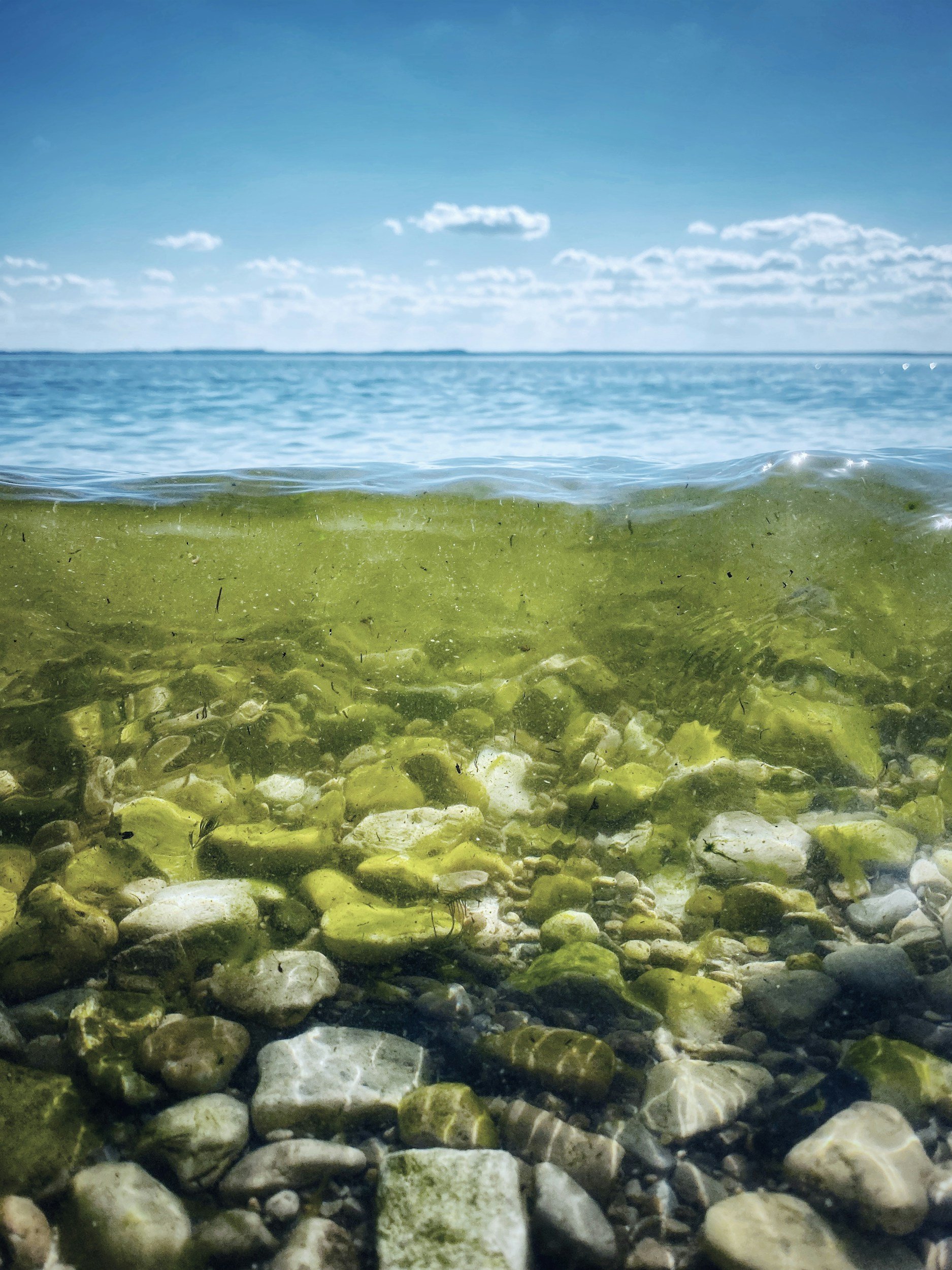
AerGlan Hellas is establishing the first algae farm in Greece, beginning with a 50T facility growing Chlorella. Algae is recognised globally as a nutrient-dense source of DHA (docosahexaenoic acid), a critical omega-3 fatty acid essential for optical and neural development, EPA (eicosapentaenoic acid) which manages triglycerides to support heart health, and iodine, vital for hormonal health and regulating metabolism, brain development, and bone growth. Our algae facility will produce healthy, safe-for-animal consumption, sustainable algae.
Our algal products will be sold for:
Animal feed supplements to farmers with chickens or livestock. Algae boosts animals’ health and strengthens egg shells to reduce cracking which can lead to loss of profits.
The cell-free aqueous media within which the algae grow is rich in algal nutrients; it will be sold as fertilizer for plants, crops, and orchards. This fertilizer does not create downstream waste in the way of commercial chemical fertilizers, so it results in healthier plants and cleaner, healthier soil.
A carbon sink for carbon credits for companies looking to offset their carbon footprint.
AerGlan Hellas will also be site laboratory for researching and developing applications of SolNox for AerGlan Ireland. SolNox has been shown to increase fuel efficiency and reduce maintenance, having applications for marine and industrial engines. AerGlan Hellas proposes to research application and dispersal methods of SolNox specific to different waste or contaminant situations. Additionally, by assessing water quality we can determine the site specific health of water environments to better choose the correct application of specific mitigation strategies.
Oil spill clean-up: Various fresh- and salt-water locations across Greece have site-specific environmental contaminants in which oil-mitigation would be beneficial. From tourist resorts, marinas, the Ioannis Kapodistrias International Airport, and fresh water rivers, AerGlan Hellas proposes to test water conditions before and after treatment with SolNox, an emulsifying agent. For example, there are only three lagoons on the island of Corfu: the Chalkiopoulos Lagoon is now the home of the Corfu International Airport. How different is its environment compared to the two other Corfiot lagoons, and how much mitigation is possible with appropriate treatment with SolNox?
Live-stock waste and chemical fertilizer run-off: how much livestock waste is contaminating the rivers of Greece? To what degree is fertilizer run-off and chemical accumulation contaminating Greece’s agricultural land? Is mitigation and return to health possible with treatment of SolNox alone or in combination with the products of the AerGlan Hellas Chlorella algae farm?
Annual olive harvesting waste littoral disposal: The annual olive harvest results in yearly olive bi-product waste being dumped into Greece’s coastal waters. Can pre-treatment application of SolNox reduce the water quality impact of annual olive waste?